The plant that makes only pile weatherstrip
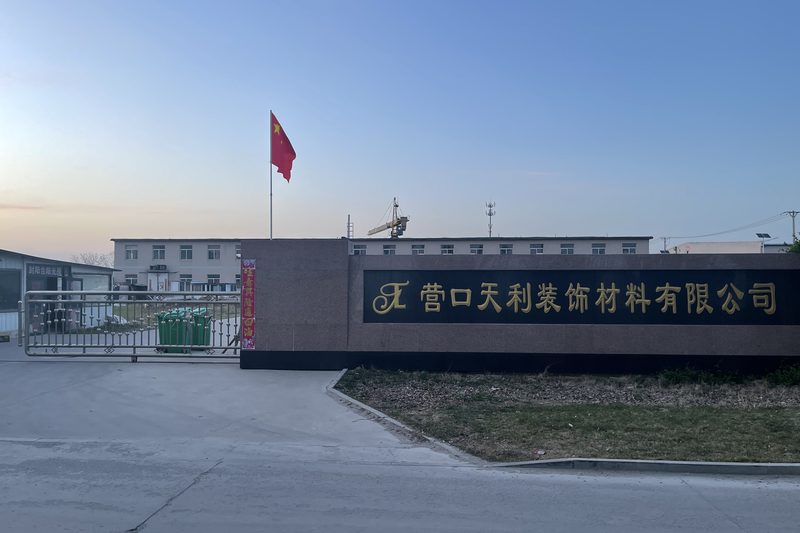
One product family since 1992, in Yingkou, Liaoning — on the coast, so sea, road and air freight all leave from the same city.
Tianli makes one thing: pile weatherstrip for doors and windows. We have made it since 1992, and we have not diversified into anything else.
The plant sits in the Yingkou Area of the China (Liaoning) Pilot Free Trade Zone, on the left bank of the Liao River estuary at the north-west of the Liaodong Peninsula — where the Northeast Asia and Bohai Rim economic belts meet. For an importer that means sea, road and air freight all leave from the same city, and Yingkou is a container port in its own right rather than a truck run from someone else’s.
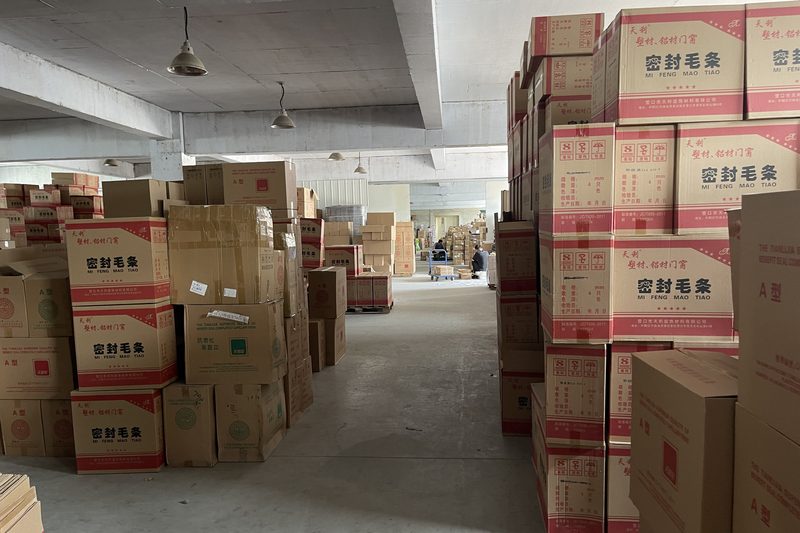
The site is 7,142 m² with 6,398 m² under roof, running braiding and fusing lines at more than 400,000 metres of pile a day. We hold two registered trademarks and a production and distribution network built up over three decades in the domestic market.
We would rather be judged on a sample than on a page. If you are ever in Liaoning, come and see the line running — and if you are not, tell us the sizes you run and we will send you the strip instead.
- Manufacturing since
- 1992
- Site area
- 7,142 m²
- Building area
- 6,398 m²
- Daily output
- 400,000 m + of pile
- Registered trademarks
- 2
- Country of origin
- China · Yingkou, Liaoning
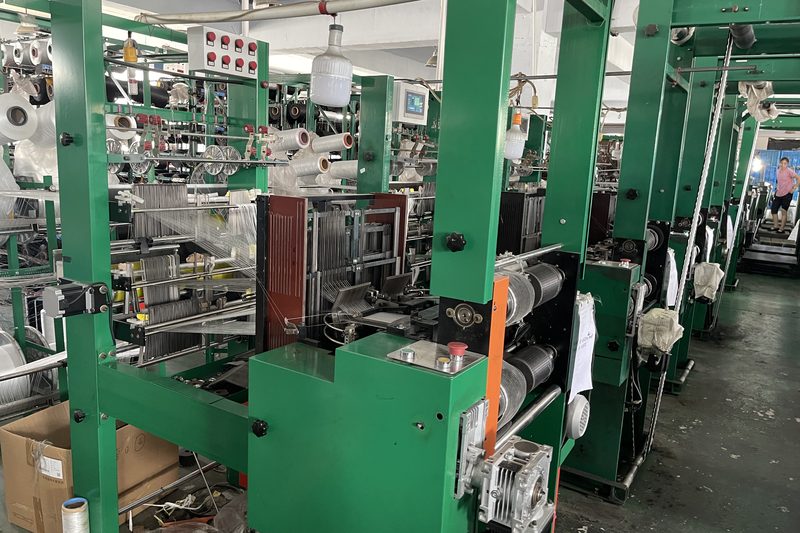
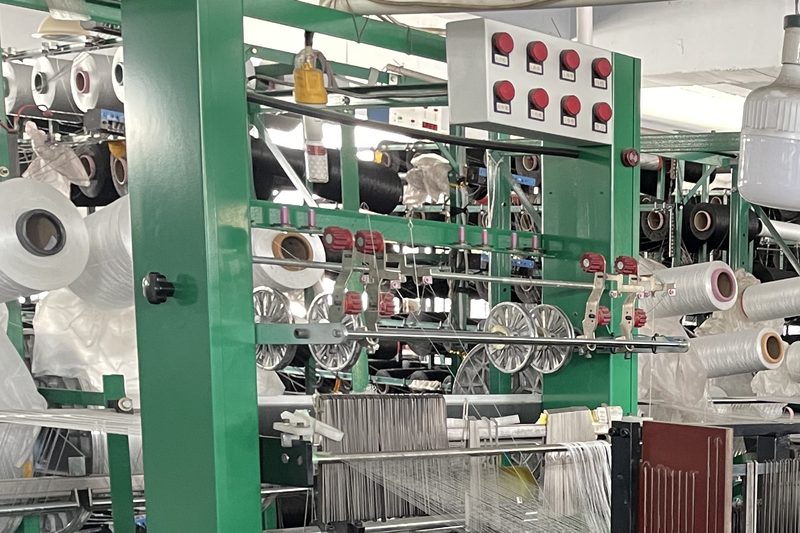
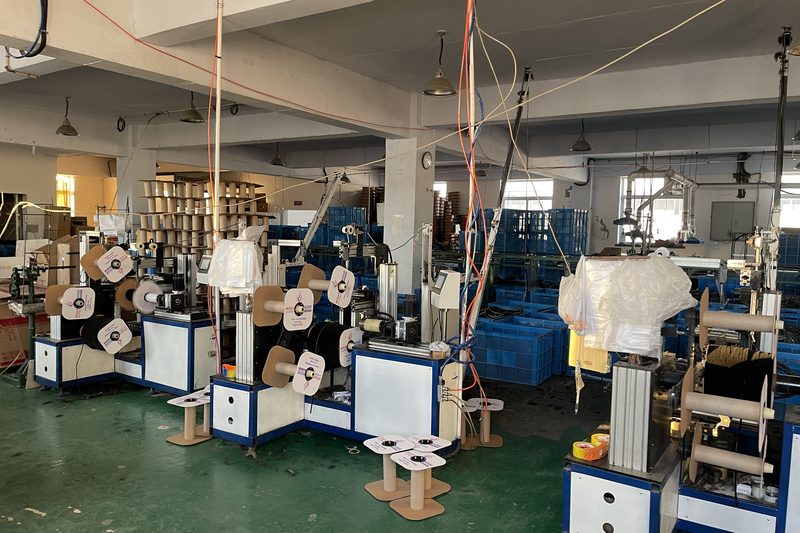
The line, station by station
Every figure we publish is set at one of these six. If a spec matters to you, it is worth knowing which station decides it.
- Braiding looms
- Filament is woven into a continuous band. Pile height and band width are set here — on the loom, not downstream, which is why both hold ±0.15 mm.
- Backing extruder
- Molten polypropylene is extruded onto the back of the woven band to form the rigid backing. This is what the trade calls an extruded base, and there is no adhesive in it — the backing and the pile are the same polymer.
- Fusing die
- On the second route the backing strip and the pile band are surface-melted at the contact points and pressed together in a die, then cooled in seconds. Used where the loom route does not suit the size.
- Multi-blade slitter
- The wide band is slit into finished strips at your backing width. One pass yields many strips at once — that is where the daily output figure above comes from.
- Silicone finishing
- Where you specify it, the filament carries a silicone finish that stops water wicking along the pile. A separate step on the same strip, not a separate product.
- Spooling and packing
- Wound to the run length you ask for, then boxed. Spool flange, core size and the label printed on the flange are all yours to specify.
How the pile is made — and what holds it on
Two production routes, one rule: the pile is fused to the backing, not glued. Everything in the bond is polypropylene, melted into itself.
Woven construction. The filament is woven into a continuous band on braiding looms — pile height and band width are set on the loom, which is why both hold tolerance. Molten polypropylene is then extruded onto the back of the band to form the rigid backing, and the wide band is slit into finished strips.
Fused construction. For sizes the loom route does not suit, the backing strip and the woven pile band — both polypropylene — are surface-melted at the contact points and pressed together in a die. Like polymer fuses to like polymer and the joint cools solid in seconds. No adhesive anywhere in either route — an adhesive layer is a different material that can age, creep and let go; a fused joint is the same polymer all the way through.
Documentation
Compliance files differ by buyer and by market, so we prepare them to your requirement rather than publishing a fixed list. Tell us what your file needs — material declaration, test data, origin documents — and we will confirm in writing what we can supply before you place an order, not after.
Tell us the sizes you run
Or post us 50 mm of your extrusion and we will cut a sample to it. Samples and any tooling are on us — freight collect on your courier account. No call required.